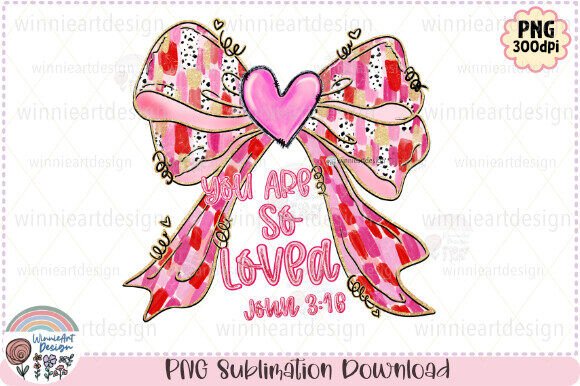
Christian Coquette Bow Brushstroke Loved
A Design That Whispers Before It Stitches
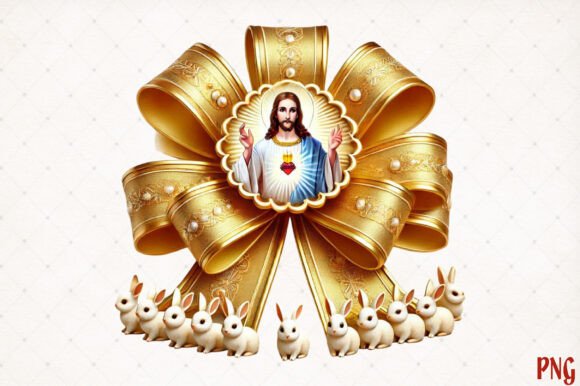
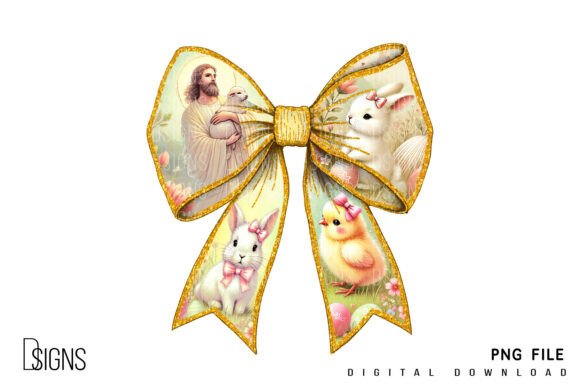
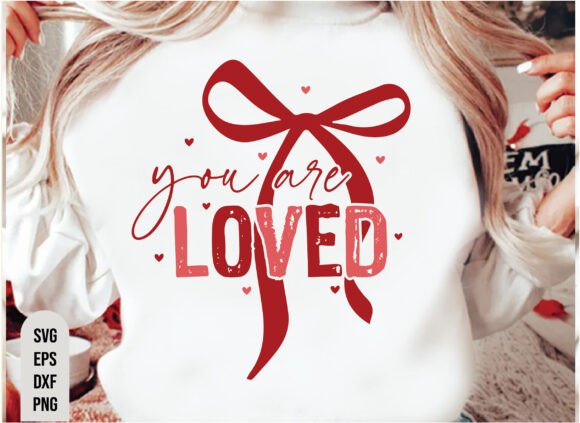
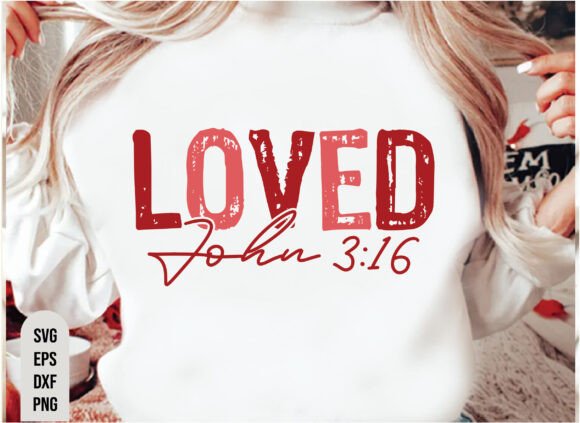
First glance at Christian Coquette Bow Brushstroke Loved isn’t about boldness—it’s about quiet intention. The brushstroke treatment gives the word “Loved” a soft, hand-painted fluidity, while the bow anchors it with gentle femininity and subtle reverence. It doesn’t shout “faith” or “romance”—it holds space for both. As an embroidery designer who’s stitched hundreds of faith-based motifs for boutique totes, baby onesies, and holiday gift bundles, I immediately saw its natural home: not on mass-produced tees, but on pieces where sentiment carries weight—like a linen kitchen towel for a new mom, a cream-colored sweatshirt for a church volunteer, or a petite embroidered patch on a handmade apron.
Where It Lives Best (and Why)
Christian Coquette Bow Brushstroke Loved thrives in contexts where craftsmanship and care are visible. On a medium-weight cotton tote bag? Perfect—the brushstroke texture reads clearly, the bow’s curves hold shape without excessive satin stitching, and the overall scale feels intentional, not decorative filler. On a lightweight baby bodysuit? With proper stabilizer and reduced stitch density, it reads sweetly—not fussy—and avoids stiffness against delicate skin. As a small-shop Etsy seller, I’ve used similar designs on tea towels and pillow covers for nursery collections; this one fits that emotional niche beautifully: tender, grounded, quietly joyful.
It also works well as a standalone embroidered patch—the bow’s symmetry and the stroke’s organic flow translate cleanly when digitized for peel-and-stick or sew-on use. For custom apparel, think crewneck sweatshirts in heather gray or oatmeal, not black performance fabric. The design’s lightness needs breathing room; it loses nuance on dense, dark, or highly textured surfaces like fleece-backed hoodies or corduroy.
Where to Pause—and Test
This isn’t a “drop-in-and-stitch” file for every surface. On stretchy fabric like ribbed knits or lightweight jersey t-shirts, the brushstroke’s tapered ends can blur or distort without precise hooping and cutaway stabilizer. Tiny corners—especially where the bow loops meet the lettering—demand attention: check your embroidery file for clean jump stitches and minimal thread trims. If you’re planning commercial embroidery for a local boutique’s holiday line, run a test on scrap fabric first—not just to verify registration, but to see how the satin stitch on the bow holds up after one gentle wash cycle.
For caps and curved surfaces, scale matters. At under 3 inches wide, Christian Coquette Bow Brushstroke Loved can work on front panels—but avoid placing it too close to the bill’s curve. The brushstroke’s thinning tail may feather unpredictably if the hoop isn’t perfectly level. And on dark fabric, skip white thread unless you’re using high-contrast underlay; opt instead for ecru, soft rose, or charcoal gray to preserve the design’s warmth.
What It Adds to Your Handmade Product—Beyond Aesthetics
When customers choose a handmade item, they’re buying intention as much as object. Christian Coquette Bow Brushstroke Loved supports that story. Its balance of faith and softness makes it feel personal—not preachy, not saccharine. On a personalized gift like a baptism keepsake pillow cover, it signals thoughtfulness. On small shop merchandise—say, a set of embroidered dish towels for a Christian women’s retreat—it reinforces brand consistency without repeating logos or slogans.
It also builds customer trust. Because the design avoids over-digitized sharpness, it reads as genuinely hand-drawn—something buyers associate with artisan care. That perception lifts perceived value, especially for Etsy sellers pricing above craft-fair averages. And unlike generic script fonts, its uniqueness means your finished product stands out in digital previews: a clean printable mockup on a cream sweatshirt shows clarity, rhythm, and restraint—all qualities that drive buyer engagement.
Practical Notes Every Embroidery Designer Should Keep Handy
- Test first—always—on scrap fabric matching your final substrate, with the same stabilizer and thread colors.
- Review stitch density: High fill areas in the bow may need slight reduction for lightweight fabrics.
- Confirm hoop size: This design likely fits comfortably in a 4x4 hoop, but verify before batching orders.
- Inspect small details: Zoom in on the brushstroke’s tip and bow knot—look for stray nodes or unnecessary travel stitches.
- Mock it in black and white: Helps assess contrast and legibility across fabric tones.
- Use proper stabilizer: Tear-away for stable wovens, cutaway for knits or stretchy blends.
- Check licensing: Since this is categorized under T-Shirt Designs, confirm whether your intended use—selling finished embroidered items or reselling the digital file—is permitted.
- Compare light vs. dark backgrounds: The brushstroke’s subtlety shines on light neutrals but may recede on deep navy or charcoal without careful thread selection.
Final Thought: Not Just a Design—A Quiet Invitation
Christian Coquette Bow Brushstroke Loved won’t dominate a collection—but it will anchor one. It’s the kind of machine embroidery design that earns repeat use because it delivers emotional resonance without visual noise. Whether you’re stitching for a client’s wedding gift, building inventory for your craft business, or creating limited-run holiday embroidery, this piece earns its place by honoring the wearer’s story—not just filling space. It reminds us that sometimes, the most powerful messages in faith-based design aren’t declared—they’re brushed gently, tied with care, and loved into being.