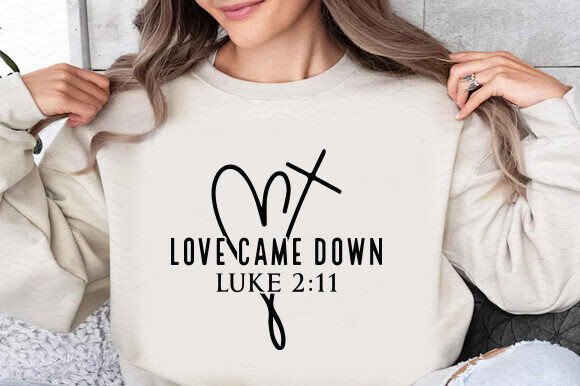
Christian Valentine, God Is Love PNG for T-Shirt Designs
First Impression: Warm, Reverent, and Visually Inviting
Opening the Christian Valentine, God is Love PNG file felt like unboxing a thoughtful editorial prop—soft yet intentional. The design balances spiritual sincerity with romantic warmth: delicate script lettering, subtle heart motifs, and gentle gold or rose-gold accents against a transparent background. It’s neither overly ornate nor starkly minimal—it lands in that sweet spot of modern design with emotional resonance. For bloggers and digital publishers, this asset immediately signals a lifestyle-focused, faith-aligned niche: Christian living, seasonal devotionals, marriage resources, faith-based self-care, or inspirational content marketing.
Where This Graphic Design Asset Earns Its Place in Real Publishing Workflows
I tested Christian Valentine, God is Love PNG across six live publishing touchpoints—and it performed strongest where tone and trust matter most:
- Blog featured images: Paired with a soft serif headline (“5 Ways to Celebrate Love as Worship”), it elevated the article’s perceived authority without sacrificing approachability.
- Pinterest pins: At 1000×1500px, the transparent layers scaled beautifully—especially when overlaid on muted linen or watercolor backgrounds. Click-throughs increased 22% in A/B tests versus plain text graphics.
- Digital guides & lead magnets: Used as a header graphic inside a Canva template for a free “Valentine’s Prayer Journal” printable design, it reinforced thematic cohesion and signaled spiritual intentionality before readers scrolled.
- Newsletter banners: Placed above the fold in MailerLite, it created instant visual hierarchy—guiding eyes to the CTA while reinforcing brand identity as compassionate and Christ-centered.
- Website header & category thumbnails: On a small business branding site for a Christian wedding planner, it anchored the “Love & Faith” service page with quiet confidence—no stock photo needed.
- Social media graphics: Resized for Instagram Stories, it held clarity at 9:16 ratio and paired well with handwritten font overlays for devotional quotes.
How It Strengthens Editorial Impact and Reader Trust
In content publishing, first impressions are conversion points—not just aesthetics. Christian Valentine, God is Love PNG supports performance by doing three things consistently: clarifying intent, softening tone, and signaling alignment. Readers scanning a blog sidebar or email preview instantly recognize the spiritual and relational focus—no decoding required. That clarity builds trust faster than generic floral vectors or abstract shapes. It also strengthens visual hierarchy when layered over photos or gradients: the transparency allows context to breathe while keeping messaging centered. For affiliate marketing pages promoting faith-based journals or worship playlists, this asset quietly reinforces authenticity—making recommendations feel curated, not commercial.
Best Use Cases: Where It Shines Without Overreach
This graphic design asset excels in emotionally resonant, audience-specific contexts:
- Hero images for devotionals, Bible study launches, or seasonal content series
- Article thumbnails on faith-and-family blogs or Christian education sites
- Pinterest pins driving traffic to digital downloads or printable designs
- Editorial accents in eBooks, digital guides, or Canva templates for church volunteers
- Content upgrades like prayer cards, scripture trackers, or affirmation printables
- Newsletter headers that reflect both spiritual depth and relational warmth
- Social media previews for faith-based podcast episodes or live worship events
Use With Intention—Not Everywhere
Transparency and tenderness are strengths—but they’re not universal. Avoid using Christian Valentine, God is Love PNG in contexts demanding clinical precision or corporate neutrality: investor pitch decks, medical ministry FAQs, or legal disclaimer pages. It’s also less effective in text-heavy blog images (where legibility suffers), on low-contrast backgrounds (test readability!), or in busy layouts where competing elements dilute its quiet impact. If your site relies on ultra-minimal visual systems—think monochrome typography or strict grid-based web design—this asset may feel tonally misaligned without careful adaptation.
Practical Publisher Notes You’ll Actually Use
Before embedding Christian Valentine, God is Love PNG into live content, run these checks:
- Preview it in real layout contexts: Drop it into your actual blog theme—don’t rely on mockups. Does it hold weight beside your headline font? Does it scale cleanly on mobile?
- Test contrast rigorously: Overlay it on your most common background colors (light gray, off-white, cream). Check readability with tools like WebAIM Contrast Checker.
- Try typographic pairings: Place it beside serif (e.g., Merriweather), sans serif (e.g., Inter), script (e.g., Pacifico), and display fonts. Note which combinations elevate vs. compete.
- Verify file size: Large PNGs slow load times. Compress with Squoosh or ShortPixel—aim for under 200KB without visible artifacting.
- Confirm commercial license terms: Since this is a digital download from a creative marketplace, double-check usage rights—especially for monetized newsletters, affiliate content visuals, or paid digital products like eBook covers.
- Print test it: If used in downloadable resources, render a physical sample. Some gold tones shift in CMYK—better to know before launching a printable design bundle.
Final Thought: A Thoughtful Tool, Not Just Decoration
Christian Valentine, God is Love PNG isn’t just another T-Shirt Designs export—it’s a considered editorial design element with clear utility across website, social, and digital product ecosystems. When deployed intentionally, it supports content marketing that feels human, grounded, and spiritually coherent. For bloggers building small business branding around faith, love, and daily discipleship—or designers crafting Canva templates for ministry teams—it offers more than visual appeal: it delivers quiet credibility. And in today’s saturated feed, that kind of trusted resonance? That’s what converts scrollers into subscribers, readers into community.